

 By
By India’s economic growth story is closely tied to the strength of its logistics and transportation network. From bustling metros to remote industrial hubs, Transportation Services in India play a crucial role in ensuring that goods move efficiently, businesses stay competitive, and consumers receive products on time. As demand for faster and more reliable delivery rises, the transportation sector continues to evolve, becoming the backbone of the nation’s supply chain.
The Lifeline of a Growing Economy
Transportation services are not just about moving goods from one place to another—they are about enabling commerce, supporting industries, and connecting markets. Whether it’s raw materials reaching factories or finished goods being delivered to customers, transportation acts as the bridge that links every stage of the supply chain.
India’s vast geography and diverse economic landscape make transportation even more critical. A well-connected system ensures that businesses can operate smoothly across states, reducing delays and maintaining consistency in supply.
A Multi-Modal Powerhouse
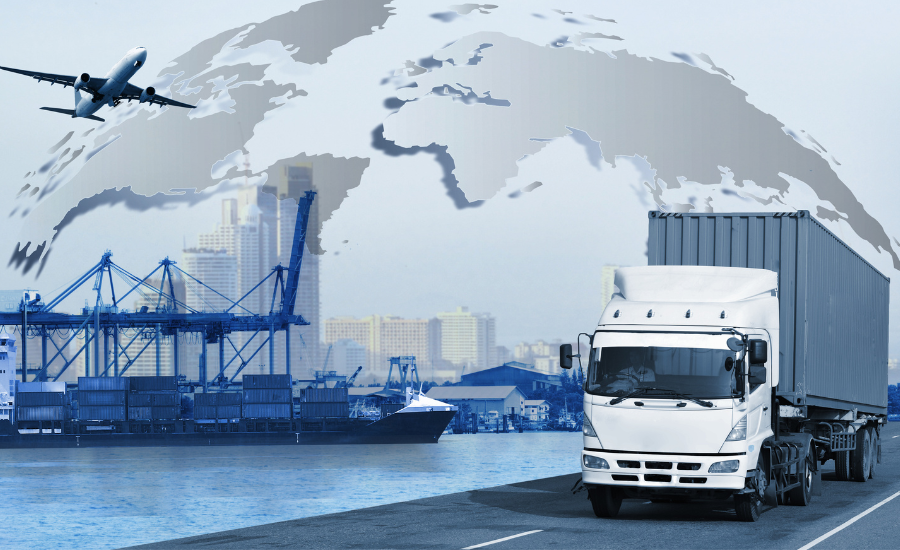
One of the key strengths of Transportation Services in India is its multi-modal infrastructure. The country leverages a combination of road, rail, air, and sea transport to handle different types of cargo efficiently.
- Road Transport: The most widely used mode, ideal for last-mile delivery and flexible routing
- Rail Transport: Cost-effective for bulk goods over long distances
- Air Cargo: Essential for high-value and time-sensitive shipments
- Sea Freight: The backbone of international trade and large-volume cargo movement
This integrated approach allows businesses to choose the most efficient and cost-effective transportation method based on their specific needs.
The Role of Storage in Seamless Logistics
Efficient transportation is closely linked with smart storage solutions. A well-located storage facility in Mumbai, for instance, can significantly enhance supply chain performance by acting as a distribution hub.
Mumbai, being one of India’s leading logistics and trade centers, offers strategic advantages:
- Proximity to major ports for import-export operations
- Easy connectivity to national highways and rail networks
- Faster access to western and central Indian markets
Storage facilities in such locations help businesses manage inventory better, reduce transit time, and ensure quick dispatch of goods.
Speed Meets Reliability
In today’s competitive market, speed alone is not enough—reliability is equally important. Modern transportation services focus on both, ensuring that shipments are delivered on time without compromising safety.
Advanced route planning, fleet management systems, and real-time tracking have transformed how transportation operates. Businesses can now monitor shipments at every stage, anticipate delays, and take proactive action to maintain schedules.
Supporting E-Commerce and Retail Growth
The rapid growth of e-commerce in India has placed transportation services at the center of customer experience. Fast deliveries, easy returns, and real-time updates are now standard expectations.
Transportation providers are adapting by building stronger networks, optimizing delivery routes, and integrating warehousing solutions like storage facility in Mumbai to meet rising demand. This synergy between transportation and storage ensures smoother operations and higher customer satisfaction.
Cost Efficiency and Scalability
Efficient transportation systems help businesses control costs by reducing fuel consumption, minimizing delays, and optimizing load capacity. Scalable logistics solutions also allow companies to expand their operations without major disruptions.
Whether it’s a small business or a large enterprise, having access to reliable transportation services enables growth and long-term sustainability.
The Road Ahead
With ongoing investments in infrastructure, digitalization, and logistics innovation, the future of Transportation Services in India looks promising. Government initiatives, improved connectivity, and smarter logistics solutions are set to further strengthen the supply chain ecosystem.
Conclusion
Transportation services are the driving force behind India’s supply chain, enabling businesses to move faster, operate efficiently, and meet growing market demands. When combined with strategically located hubs like a storage facility in Mumbai, they create a powerful logistics network that supports economic growth and global competitiveness.
As India continues to expand its presence in global trade, the role of transportation will only become more significant—fueling progress, connecting markets, and driving the nation forward.