

 By
By In the world of industrial piping, choosing the right type of bend is just as important as selecting the right material. For stainless steel grades like SS 304 and 304L, the debate often comes down to hot induction bends vs fabricated bends. Each has its strengths, but the right choice depends on your project’s technical demands, cost considerations, and long-term performance goals.
Let’s simplify the decision for engineers and buyers.
What Are Hot Induction Bends?
Hot induction bending is a process where a pipe is heated locally using an induction coil and then bent to the required angle and radius. The heating is controlled and precise, ensuring minimal distortion.
Key characteristics:
- Smooth, continuous bends
- No welding required
- Maintains structural integrity
- Ideal for large-radius bends
What Are Fabricated Bends?
Fabricated bends are created by cutting and welding multiple pipe sections to achieve the desired angle. These are commonly used when tight radii or custom geometries are required.
Key characteristics:
- Made from welded segments
- Flexible design options
- Suitable for smaller radii
- Faster production for custom needs
Comparing Performance for SS 304/304L
1. Strength and Structural Integrity
- Hot induction bends retain the original strength of SS 304/304L pipes since there are no weld joints.
- Fabricated bends have multiple weld seams, which can become weak points under high pressure or stress.
👉 For critical pipelines, hot induction bends offer superior reliability.
2. Corrosion Resistance
- In SS 304L elbows and bends, low carbon content reduces the risk of corrosion after welding.
- However, fabricated bends still carry a higher corrosion risk at weld joints compared to seamless induction bends.
👉 In corrosive environments, hot induction bends are generally the safer option.
3. Flow Efficiency
- Hot induction bends provide a smooth internal surface, reducing turbulence and pressure drop.
- Fabricated bends may create slight flow disruptions at weld joints.
👉 For fluid efficiency and energy savings, induction bends perform better.
4. Customization and Flexibility
- Fabricated bends are highly customizable and suitable for tight spaces or complex layouts.
- Hot induction bends are better for standard, large-radius applications.
👉 If your project requires unique angles or compact routing, fabricated bends are more practical.
5. Cost Considerations
- Fabricated bends are usually more economical for small quantities or complex shapes.
- Hot induction bends may have higher upfront costs but offer better durability and lower maintenance over time.
6. Application Suitability
Hot Induction Bends are best for:
- Oil & gas pipelines
- Power plants
- Long-distance piping systems
- High-pressure and high-temperature applications
Fabricated Bends are best for:
- Plant piping layouts with space constraints
- Custom engineering projects
- Low to moderate pressure systems
Where Do SS 304 Elbows Fit In?
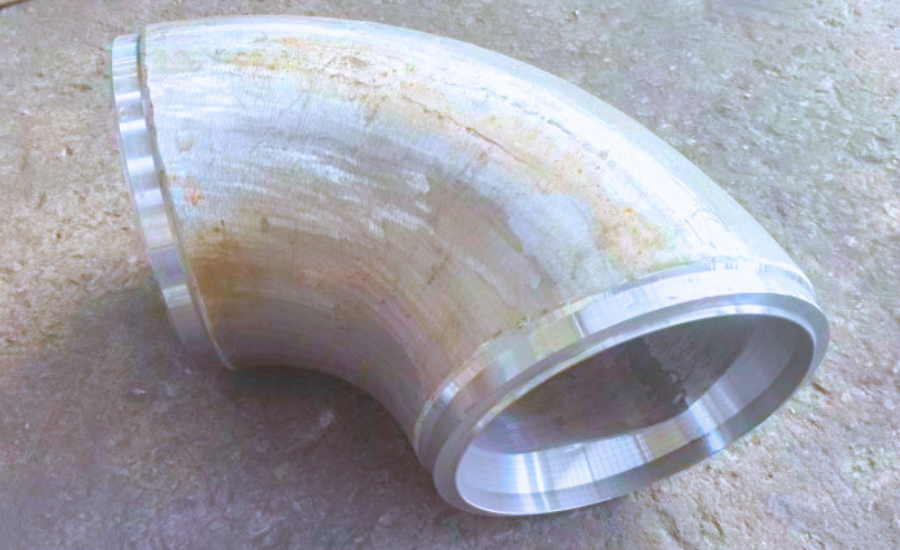
While bends are used for gradual direction changes, SS 304 Elbow fittings are typically used for sharper angles like 45° or 90°. In many systems, elbows and bends work together to create efficient piping layouts.
Choosing between bends and elbows depends on:
- Required radius
- Space availability
- Flow dynamics
Choosing the Right Manufacturer Matters
Whether you choose induction or fabricated bends, quality manufacturing plays a crucial role. Reliable Pipe Fittings Manufacturers in India ensure:
- Precision engineering
- High-quality raw materials
- Compliance with international standards
- Long-term performance and safety
Final Verdict: What Works Best?
There’s no one-size-fits-all answer—but here’s a quick guide:
- Go for hot induction bends if you need strength, durability, and smooth flow in critical applications.
- Choose fabricated bends if flexibility, cost, and customization are your priorities.
For SS 304/304L piping systems, the decision ultimately depends on how demanding your operating conditions are.
Conclusion
Both hot induction bends and fabricated bends have their place in modern piping systems. The key is understanding your project’s technical requirements and balancing performance with cost.
When paired with high-quality materials like SS 304 and 304L—and sourced from trusted Pipe Fittings Manufacturers in India—either option can deliver excellent results.
Make the right choice today, and your piping system will reward you with efficiency, reliability, and long service life.